Building Strong Social Skills Through Cooperative Play
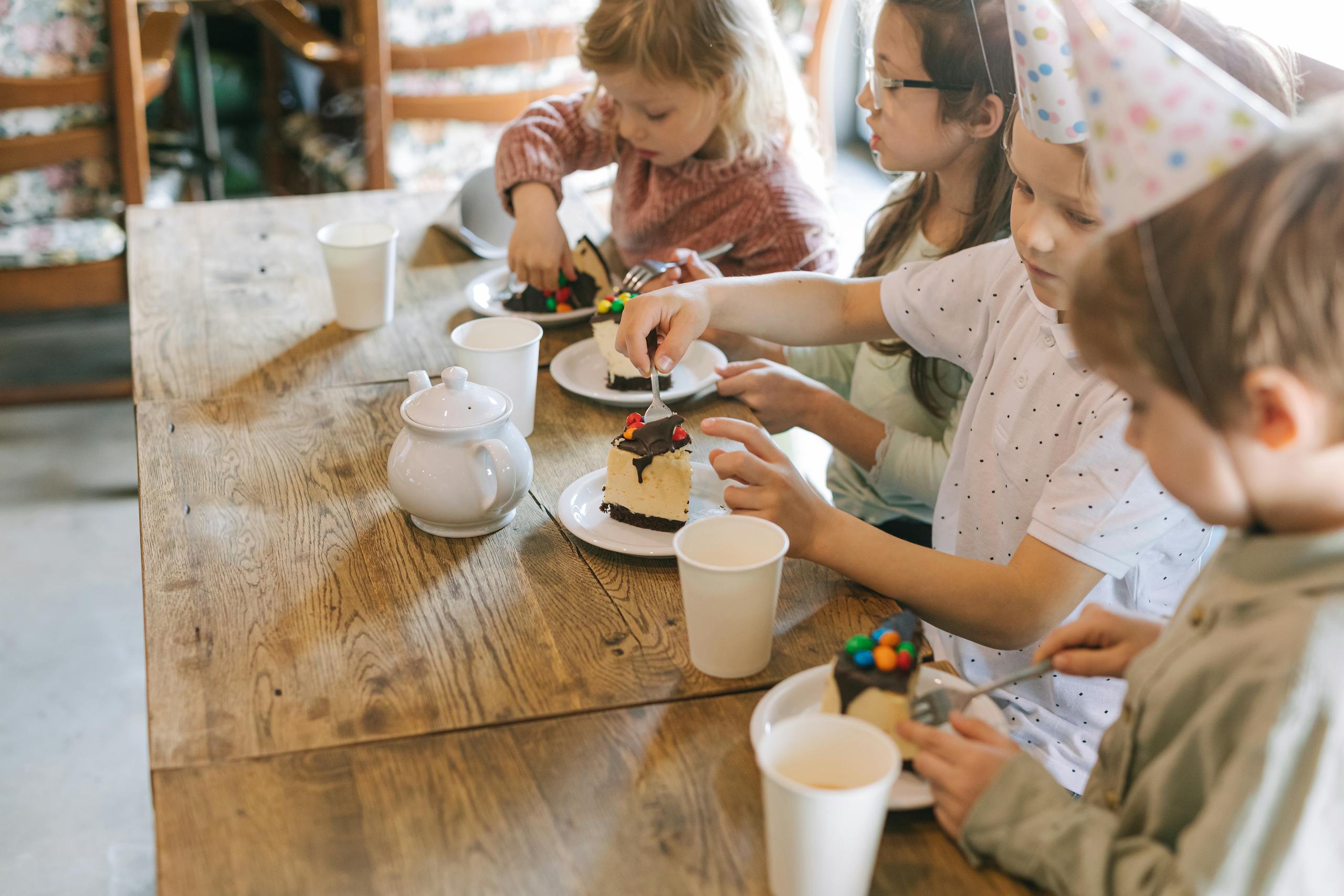
Cooperative play isn’t just a fun way for kids to pass the time; it’s essential for developing key social skills. Think about it—when children team up, they learn to communicate, negotiate, and resolve conflicts, all while having a great time (and maybe debating who gets to be the “captain” of the fort). Whether it’s building that fort or playing a game of tag that somehow always turns into “I’m not it, you are!” these interactions lay the groundwork for empathy and collaboration—skills they’ll use long after the fort collapses!
As a parent, grandparent, or caregiver, recognizing the importance of this type of play can be a game-changer for your child’s social development. You might be wondering why it matters so much. Well, engaging in cooperative play helps kids navigate social dynamics better, equipping them with the tools they need to form meaningful relationships. Not only does it encourage teamwork, but it also teaches them how to deal with disagreements, fostering resilience along the way.
In this post, you’ll discover how you can support this vital aspect of childhood, helping your little ones blossom into well-rounded individuals. So grab a comfy seat—it’s time to explore how cooperative play can bolster your child’s journey toward becoming a socially savvy superstar!
What is Cooperative Play?
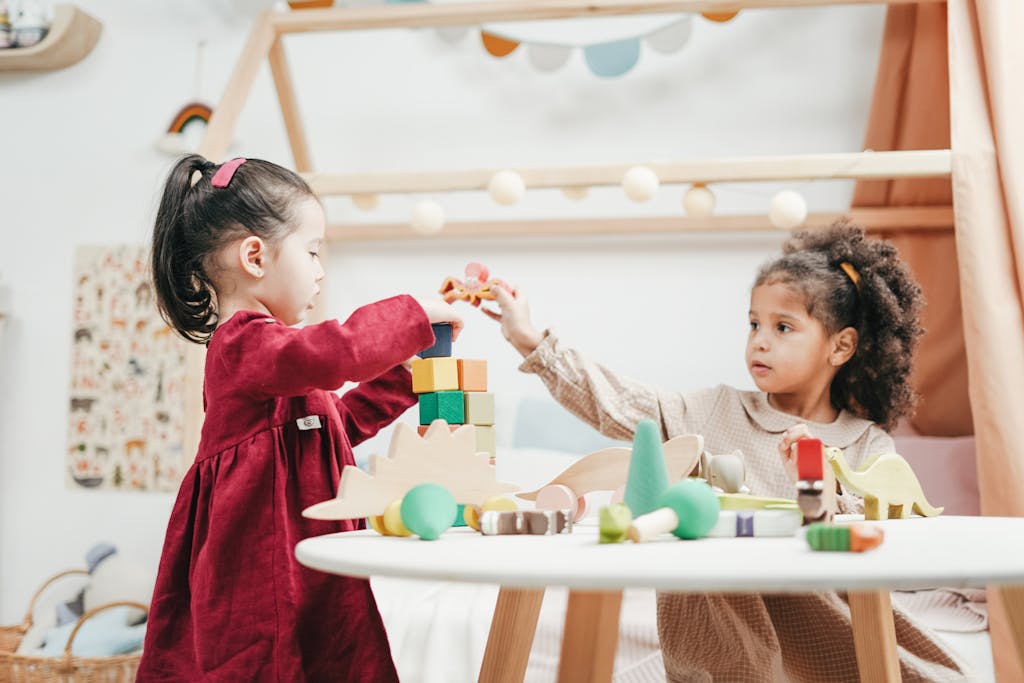
Cooperative play is an essential milestone in a child’s development. But what does it really mean? Simply put, cooperative play happens when children engage in activities together, working towards a common goal.
Think about the joy of building a sandcastle with friends or racing toy cars on a play mat. In these moments, kids learn to communicate, share responsibilities, and create something collective. This play style differs significantly from solitary or parallel play, where children may play near each other but without any real interaction.
Stages of Cooperative Play
Understanding the stages of cooperative play helps parents and caregivers encourage this vital skill. Children typically progress through several stages:
- Solitary Play: A toddler might happily play alone with blocks, totally absorbed in their own world.
- Parallel Play: Kids begin to play alongside others, like two children stacking blocks next to each other, sharing space but not engaging much.
- Associative Play: Here, children start to interact with each other, passing toys back and forth without a defined goal.
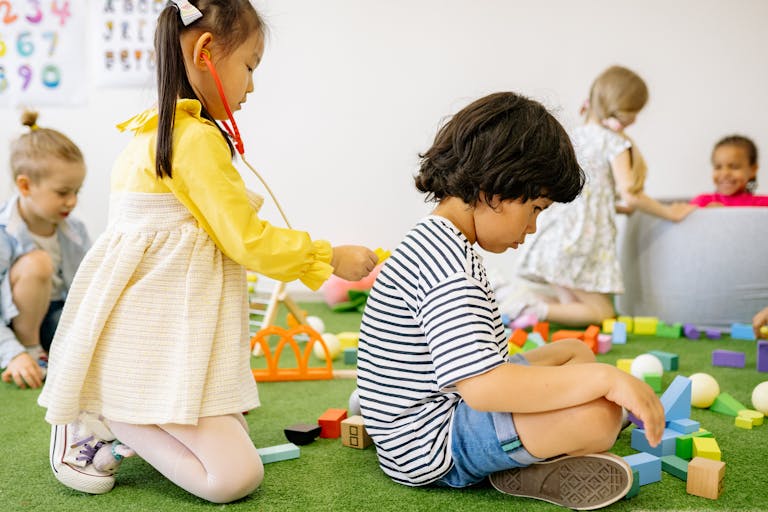
- Cooperative Play: At this stage, kids band together. They might agree on rules and roles. For instance, one child might be the “builder,” while another is the “decorator.”
This progression shows how kids learn to connect and foster social skills naturally.
Benefits of Cooperative Play
Engaging in cooperative play offers numerous benefits that extend beyond just fun and games. Here are a few:
- Social Skills: Kids learn to communicate and resolve conflicts. This helps them understand different perspectives and promotes empathy.
- Team Spirit: Working towards a common goal fosters teamwork. It teaches kids that success often comes from collaboration.
- Creativity and Imagination: Joint activities encourage children to think creatively. They combine ideas to create rich stories or games, like pretending a box is a spaceship.
- Confidence: When children see that their contributions matter, it boosts their self-esteem. This is vital for their overall emotional growth.
How to Encourage Cooperative Play
Want to promote cooperative play? Here are some simple yet effective tips:
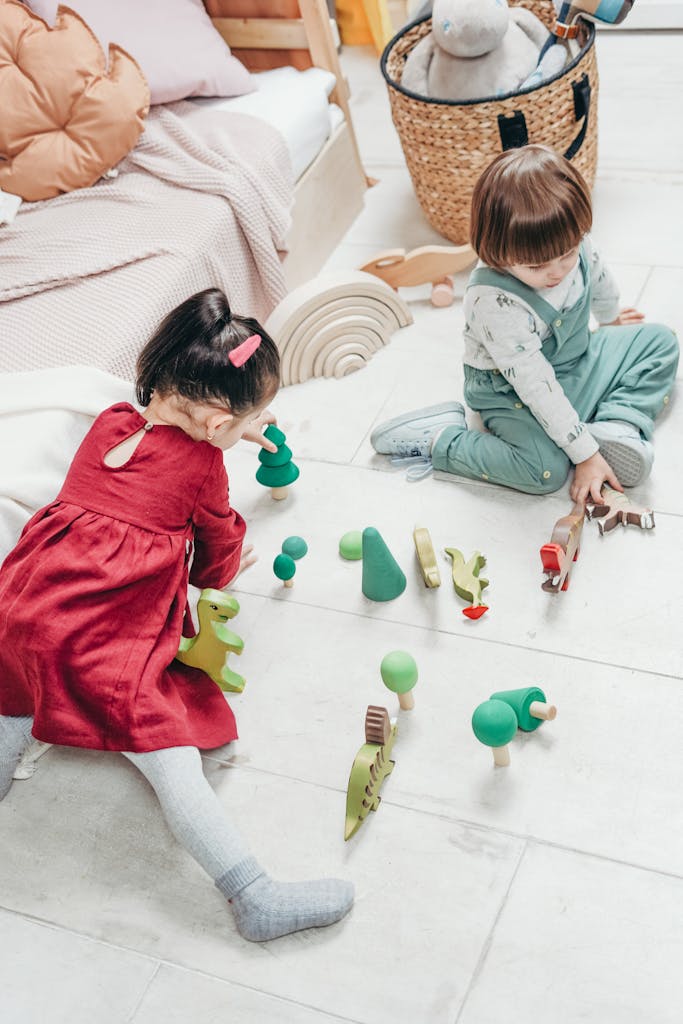
- Provide Open-Ended Toys: Toys that encourage imaginative play, like building blocks or art supplies, can spark collaborative ideas.
- Create Group Activities: Organize games that require teamwork—like a scavenger hunt or relay races.
- Limit Screen Time: Encourage more face-to-face interactions. Too much screen time can stifle natural social skills.
- Be a Role Model: Show your child how to cooperate. Whether it’s sharing chores or playing a game, your actions speak volumes.
For more insights on cooperative play and its stages, you can check out Pathways.org, which outlines how kids learn to play together effectively.
By promoting cooperative play, you’re not just creating play-dates; you’re building the foundations for a child’s social skills and emotional well-being.
Benefits of Cooperative Play for Social Skills
Cooperative play is not just a fun way for kids to spend time together; it’s also a fantastic way to build vital social skills. When children engage in play that requires teamwork and collaboration, they learn to communicate effectively and navigate complex social situations. Here’s how cooperative play can positively impact social skills.
Enhances Communication Skills
When children participate in cooperative play, they’re constantly communicating with their peers. This type of play encourages them to express their thoughts, desires, and feelings. Think of cooperative play like a dance—each child listens to the others while adding their moves to the routine. Here’s how this plays out:
- Listening Actively: Kids learn the importance of listening, which helps them understand others’ points of view.
- Expressing Ideas: They practice articulating their thoughts clearly, whether that’s suggesting a new game rule or sharing what they want to do next.
- Negotiating and Compromising: Engaging with others teaches kids to negotiate and find common ground, occasionally even requiring them to compromise.
This process not only boosts their vocabulary but also aids in building confidence in social interactions. For more details on enhancing communication through play, check out The Genius of Play.
Fosters Empathy and Understanding
Empathy is a crucial social skill, and cooperative play is one of the best venues for nurturing it. When children play together, they have the chance to experience different perspectives. It’s a bit like stepping into someone else’s shoes—this helps them understand how others might feel in various situations. Consider these points:
- Recognizing Feelings: As kids play, they witness how their friends respond emotionally to wins and losses, which reinforces the value of compassion.
- Sharing Experiences: Through group play, children learn to share not just toys but also their feelings about victories and setbacks, fostering a deeper connection.
The more children practice empathy through play, the more naturally it will develop into their daily lives. This sense of understanding and emotional awareness is invaluable.
Promotes Conflict Resolution
Disagreements in play are inevitable, but cooperative play provides a safe environment for resolving them. Think of it as a training ground for conflict resolution skills. Here’s how it works:
- Problem-Solving: Children learn to identify issues and brainstorm solutions together, which sets the stage for collaborative problem-solving in the future.
- Negotiating Outcomes: They become adept at negotiating outcomes that satisfy everyone, strengthening their negotiation skills.
- Accepting Differences: By working through disagreements, kids learn to accept and respect differences in opinion, a valuable life lesson.
These skills are not just vital during playtime; they’re crucial in everyday scenarios, at school, and later in professional settings.
Cooperative play is where fun meets essential learning. By encouraging it, you’re giving children the tools they need to thrive in social settings.
Implementing Cooperative Play in Daily Life
Cooperative play is not just fun; it helps children learn to work with others and build essential social skills. Integrating cooperative play into daily life can be both enjoyable and educational. Here are some ways to make it happen.
Choosing the Right Activities
When it comes to activities that promote cooperative play, choosing the right ones is key. Here are some great options that encourage teamwork and communication:
- Group Games: Classic games like “Simon Says” or “Duck, Duck, Goose” get everyone involved and require participants to listen and respond to one another.
- Team Sports: Sports like soccer, basketball, or volleyball teach kids to work together, whether they’re passing the ball or strategizing plays.
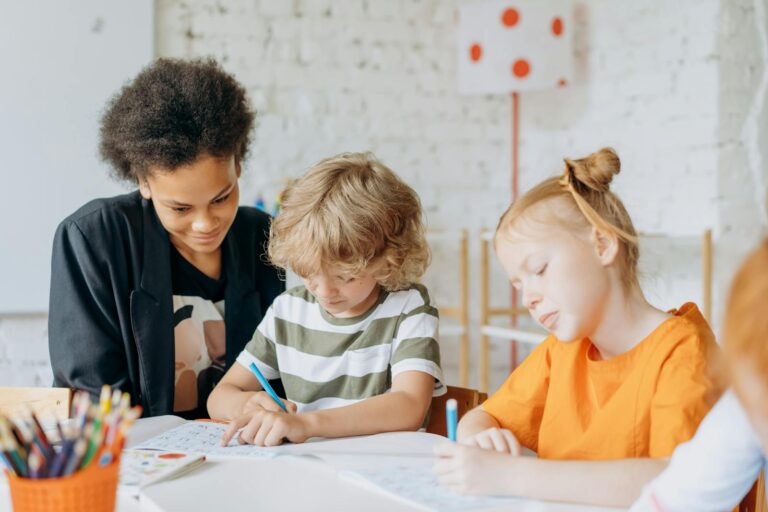
- Creative Projects: Building a fort together or working on a group art project lets children express their creativity while collaborating.
- Board Games: Select games that require players to work as a team, like cooperative board games where everyone wins or loses together.
- Obstacle Courses: Setting up a mini obstacle course where kids help each other navigate through challenges promotes communication and cooperation.
Choosing activities that capture children’s interest will naturally encourage more cooperative play.
Setting Up Playdates
Playdates are a fantastic way to foster cooperative play. Here are tips to set them up effectively:
- Keep It Small: Invite a couple of friends instead of a whole group. This makes it easier for kids to interact and cooperate.
- Choose Comfortable Locations: Stick to places your child feels relaxed, whether it’s your home or a favorite park.
- Plan Engaging Activities: Have toys that encourage group play, like blocks, crafts, or interactive games. Using items that require teamwork—think shared building projects or collaborative puzzles—makes cooperation necessary.
- Set Clear Expectations: Briefly explain to the children what you expect during playtime. Encourage them to share, take turns, and consider each other’s feelings.
- Keep It Short and Sweet: Plus, for younger kids, shorter playdates of about an hour are often the most successful.
Following these tips can lead to enjoyable and constructive playdates that prioritize cooperative play. You can find more suggestions on how to arrange playdates here.
Balancing Independence and Cooperation
While cooperative play is important, it’s also vital to encourage kids to play independently. Here’s how to balance the two:
- Encourage Solo Activities: Set aside time for your child to explore their interests alone, whether it’s reading, art, or imaginative play.
- Create Open-Ended Play Opportunities: Toys like building blocks or art supplies allow for free play, while also promoting creativity and problem-solving without adult intervention.
- Invite Cooperative Play: Occasionally, suggest activities that require teamwork. You might say, “Why not build that Lego castle together? I bet you can create something awesome as a team!”
- Promote Reflection: After playing, discuss what they enjoyed about both independent and cooperative activities. Ask questions like, “How did it feel to work with a friend?” This helps them understand the value of both kinds of play.
Finding the right balance helps children develop a sense of autonomy while also learning how to cooperate with others. This dual approach enriches their play experiences and supports their social skill development.
By implementing these strategies, you create a nurturing environment where children thrive through both independent and cooperative play.
Challenges and Solutions in Cooperative Play
Cooperative play is a fantastic way for children to develop social skills and teamwork. However, it can bring its fair share of challenges. Managing conflicts and encouraging participation are two common hurdles caregivers face. No worries! There are effective strategies to tackle these challenges head-on. Let’s explore some practical solutions that can help you foster a positive cooperative play environment for kids.
Managing Conflicts During Play
Conflicts during cooperative play can feel like sudden rain on a sunny picnic. One minute, everyone is having fun; the next, disagreements break out. These moments are normal but can be tricky. Here are some strategies to help children navigate conflicts:
- Teach Self-Regulation: Equip kids with tools to recognize their feelings! Encourage them to take a deep breath or count to ten before reacting.
- Use “I” Statements: Guide them in expressing their feelings. For example, say, “I feel upset when you take my toy without asking.” This promotes empathy and understanding.
- Role Play: Engage kids in role-playing scenarios where they practice resolving conflicts. Through play, they can explore different outcomes without the pressure of real-life stakes.
- Set Clear Rules: Establish simple guidelines for acceptable behavior during play. Make it a group effort to decide on rules, so everyone feels involved.
- Model Positive Conflict Resolution: Show them how you handle disagreements in a calm manner. Remember, children learn through observation, and you’re their best example!
Encouraging Participation from All Children
Ensuring all children are engaged during cooperative play is crucial. Think of it like throwing a party! You want everyone to have a blast. Here are some tips to get all kids involved:
- Rotate Roles: If playing a game, rotate positions so that every child experiences different roles. Everyone wants a turn to be the leader or the artist!
- Incorporate Group Activities: Activities like building a fort or creating a group story can engage all children. Encourage everyone to contribute their ideas so that no one feels left out.
- Use Visual Aids: Sometimes children need a little nudge. Visual aids, like charts or pictures, can help them understand their options and spark their imagination.
- Ask for Input: Involve children in decision-making. Asking, “What should we play next?” gives them ownership and makes them feel valued.
- Celebrate Contributions: Acknowledge each child’s input. Whether it’s a great idea or a cool move, praising efforts fosters a sense of community and belonging.
Creating a collaborative environment takes patience and creativity, but it’s worth every effort!
By addressing conflicts and including everyone, you’ll turn cooperative play into a moment of joy and learning for all children. Embrace these challenges, and watch those social skills bloom!
What we know!
Cooperative play is more than just kids having fun together; it’s a fantastic way to build essential social skills. Through shared experiences (and the occasional argument over who gets the blue block), children learn to negotiate, communicate, and compromise. These moments create a foundation for strong relationships and effective teamwork—skills they’ll need for everything from group projects to deciding who gets the last slice of pizza!
Encouraging these interactions not only fosters empathy but also equips kids with vital problem-solving skills for their future.
Imagine the joy of seeing your child navigate friendships with confidence! Keep exploring opportunities for cooperative play in everyday activities, from group games to collaborative projects at home.